
Advice
Common Questions About Men's Nutritional Health

What nutrients matter for men?
Proper nutrition forms the foundation of men's health, supporting muscle development, energy levels, and overall vitality. Essential nutrients like protein, zinc, magnesium, and B vitamins play critical roles in testosterone production, immune function, and cardiovascular health. A balanced diet rich in lean meats, whole grains, nuts, and vegetables ensures your body receives the fuel it needs. Many men overlook micronutrients, focusing only on calories, which can lead to deficiencies that impact performance and longevity.
Why is nutrition essential for male wellness?
Men face unique nutritional challenges due to higher metabolic rates, muscle mass requirements, and specific health risks like heart disease and prostate concerns. Targeted nutrition addresses these issues directly, improving physical performance, mental clarity, and disease prevention. Studies show that men who maintain optimal nutrition experience better weight management, stronger bones, and improved sexual health. Investing in proper dietary habits now prevents costly health complications later in life.
What are the key nutritional components every man should focus on?
Protein intake supports muscle maintenance and recovery, especially important for active men. Healthy fats from fish, avocados, and olive oil promote heart health and hormone balance. Complex carbohydrates provide sustained energy for workouts and daily activities. Micronutrients like magnesium support sleep quality, while zinc and selenium protect reproductive health. Fiber aids digestion and maintains healthy cholesterol levels. Water intake remains fundamental for every bodily function. Prioritizing these components creates a comprehensive nutritional strategy.
How much protein do men really need daily?
Most men require 0.8 to 1.0 grams of protein per pound of body weight, varying with activity level and fitness goals. Sedentary men need roughly 56 grams daily, while athletes may require 1.2 to 2.0 grams per kilogram of body weight. Spreading protein intake throughout the day optimizes muscle protein synthesis better than consuming it all at once. Quality sources include chicken, fish, eggs, Greek yogurt, legumes, and lean beef. Timing protein around workouts enhances recovery and muscle growth significantly.
What role does hydration play in men's health?
Dehydration impairs physical performance, mental function, and metabolic efficiency, yet many men drink insufficient water daily. Proper hydration supports cardiovascular function, nutrient transport, temperature regulation, and cognitive performance. Most men should consume at least 15.5 cups of fluid daily, more if exercising or living in hot climates. Water should be the primary beverage, though herbal teas and coconut water offer beneficial alternatives. Monitoring urine color provides a simple hydration status indicator throughout your day.
Which vitamins matter most for men's health?
Vitamin D regulates calcium absorption for bone health and supports immune function, with many men showing deficiency. Vitamin B12 maintains energy and neurological health, crucial for older men. Folate supports cardiovascular health and DNA synthesis. Vitamin C boosts immune function and collagen production. Vitamin E provides antioxidant protection against cellular damage. B-complex vitamins enhance energy metabolism and stress resilience. Many men benefit from targeted supplementation, especially those with dietary restrictions or limited sun exposure.
Additional nutrition strategies for optimal men's health outcomes

How should men adjust nutrition for fitness goals?
Building muscle requires increased protein intake paired with strength training and adequate calories for growth. Losing weight demands a modest calorie deficit while maintaining protein to preserve muscle mass during the process. Endurance athletes need more carbohydrates for fuel and antioxidants for recovery from intense training. Pre-workout nutrition should emphasize easily digestible carbs and moderate protein two to three hours before exercise. Post-workout meals combining protein and carbs within one hour maximize recovery. Individual adjustments based on results matter more than rigid formulas.
What are common nutritional mistakes men make?
Skipping breakfast leaves men fatigued and prone to overeating later in the day, disrupting metabolism. Relying on processed foods provides empty calories while missing essential nutrients your body requires. Ignoring vegetables limits fiber and micronutrient intake, affecting digestion and immunity. Insufficient healthy fats impair hormone production and nutrient absorption. Many men eat too quickly, missing fullness cues and overeating portions. Consuming excessive alcohol depletes key nutrients and adds unnecessary calories. Identifying and correcting these patterns creates sustainable dietary improvement.
How can men incorporate better nutrition into busy lifestyles?
Meal preparation on weekends ensures healthy options available during hectic weekdays without excuse for poor choices. Simple meals like grilled chicken, brown rice, and steamed broccoli take minimal time while meeting nutritional needs effectively. Keeping healthy snacks like nuts, Greek yogurt, and fruit readily available prevents impulse junk food consumption. Shopping primarily store perimeters where whole foods live saves time navigating processed aisles. Setting consistent meal times creates structure supporting better digestion. Even small improvements compound into significant health transformations over months.
What supplements should men consider taking?
Multivitamins provide insurance against micronutrient gaps from imperfect diets, though whole foods remain superior sources. Omega-3 supplements benefit cardiovascular health when fish consumption is limited, supporting inflammation reduction. Vitamin D3 supplementation proves especially important for men with limited sun exposure or darker skin tones. Magnesium supports sleep quality and muscle recovery, addressing deficiencies common in modern diets. Creatine monohydrate demonstrates safety and effectiveness for muscle building with extensive research supporting its use. Always consult healthcare providers before starting supplements.
How does nutrition affect men's sexual performance?
Cardiovascular health directly impacts erectile function, making heart-healthy nutrition crucial for sexual vitality. Nutrients like arginine and citrulline improve blood flow essential for performance. Zinc deficiency reduces testosterone production, affecting libido and sexual function across men of all ages. Maintaining healthy weight through proper nutrition improves confidence and reduces diabetes risk linked to dysfunction. Stress management through balanced nutrition supports nervous system health affecting arousal. Consistent exercise combined with optimal nutrition creates synergistic benefits for sexual health.
What dietary changes improve energy levels?
Balanced breakfasts combining protein, healthy fats, and complex carbs stabilize morning energy without midday crashes. Reducing refined sugars prevents energy spikes and subsequent crashes affecting productivity throughout your day. Increasing water intake enhances oxygen transport and cellular function, directly supporting sustained energy. Frequent small meals maintain stable blood sugar compared to infrequent large meals creating energy fluctuations. Iron-rich foods like red meat and spinach prevent fatigue from deficiency affecting physical performance. Regular movement combined with proper nutrition creates optimal energy management.

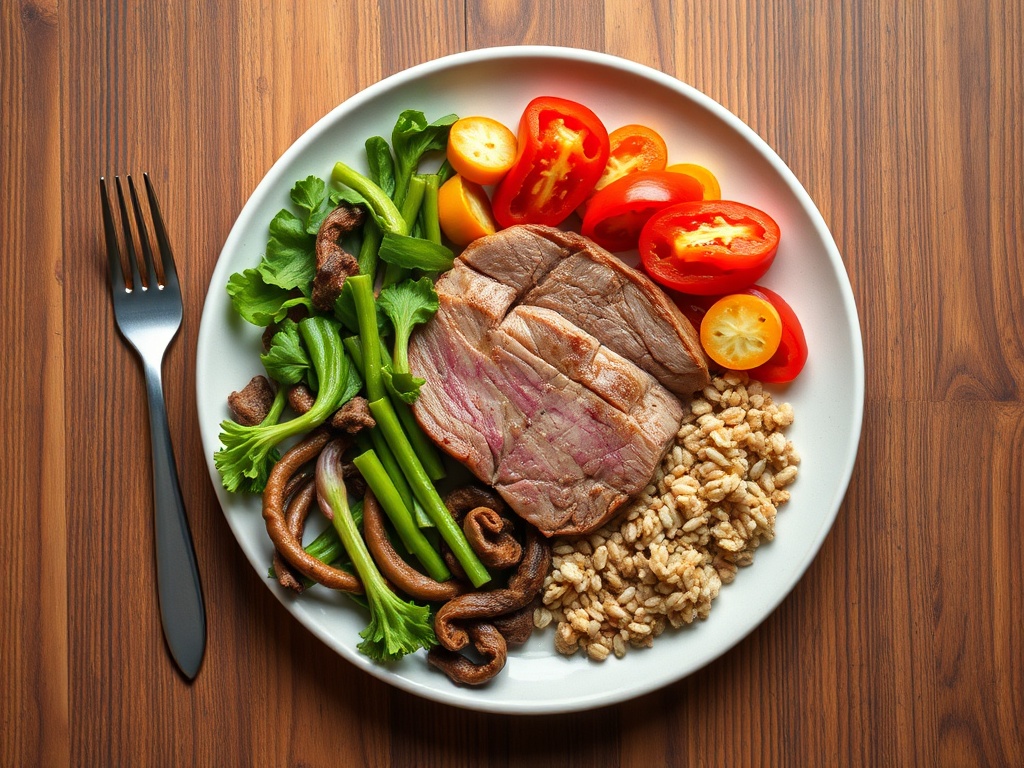
Get your free men's nutrition assessment
Our certified nutritionists offer personalized guidance for your health goals and lifestyle.